





Daylight saving time is finally here. With the sun staying up later in the evening, the temptation to jump right back into outdoor activities is undeniable. Whether you are dusting off your running shoes for a neighborhood jog, joining a local pickup soccer game, or just tackling heavy yard work, spring fever gets us all moving again.
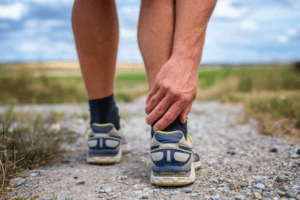
However, transitioning straight from a cozy, sedentary winter into high-impact spring activity is one of the most common causes of sudden ankle pain. At OrthoArkansas, we see a significant spike in sprains and strains during this time of year. Before you hit the pavement or the trail, here is how you can protect your feet and avoid spending your spring in a walking boot.
The “Spring Fever” Injury Spike
When you take a few months off from intense physical activity, your body adapts to the rest. Your tendons become slightly less pliable, and your stabilizing muscles lose some of their endurance. When you suddenly demand those muscles to support quick pivots, uneven terrain, or a sudden three-mile run, they fatigue quickly. Once the muscles supporting your lower leg tire out, the heavy lifting is transferred to your ligaments. One wrong step off a curb or a misjudged landing on the tennis court, and those ligaments can stretch or tear, leading to immediate swelling and discomfort.3 Ways to Prevent Foot and Ankle Injuries
The good news is that most early-season injuries are entirely preventable with a little preparation. If you want to enjoy the outdoors without needing a foot injury doctor, keep these three rules in mind:1. Upgrade Your Footwear
If your running shoes spent the winter in the back of the closet, check their tread. Athletic shoes lose their shock absorption and arch support after about 300 to 500 miles of use. Wearing worn-out shoes forces your joints to absorb the impact of every step. Investing in proper footwear is the foundation of good foot and ankle care.2. Pace Yourself (The 10% Rule)
Enthusiasm is great, but your body needs time to catch up. A standard rule of thumb is to never increase your mileage or activity duration by more than 10% per week. If you ran one mile comfortably last week, you shouldn’t try for three miles this week. Gradual progression gives your bones and ligaments time to adapt to the new stress.3. Warm Up Your Joints
A cold muscle is a tight muscle. Take five to ten minutes to do dynamic stretches before your workout. Focus on loosening your calves and Achilles tendons, as tightness in these areas drastically increases your risk of rolling an ankle.When to See a Foot and Ankle Specialist
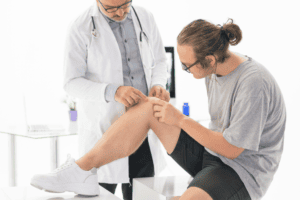
Sometimes, despite our best efforts, accidents happen. You step in a hidden pothole or land awkwardly during a rebound. It can be tempting to just “walk it off” or ice it for a few days, hoping it resolves on its own. However, what you think is a standard sprain could actually be a fracture, a torn tendon, or a cartilage injury. You should seek out a foot and ankle specialist if you experience:- Inability to bear weight on the foot.
- Severe swelling that does not go down after 48 hours.
- A visible deformity in the joint.
- Numbness or tingling in your toes.
Immediate Help Across Arkansas
OrthoArkansas operates 10 primary clinic locations across the state, making it easy to find an orthopedic foot and ankle in Little Rock, Conway, Bryant, or a clinic closer to your neighborhood. If you suffer a sudden sports injury this spring, skip the long wait times at the general hospital ER. We offer dedicated Orthopedic Urgent Care walk-in clinics in Little Rock, North Little Rock, and Conway to get you immediate imaging and an accurate diagnosis. If you live outside the metro area, you can easily book an appointment with an ankle specialist in Arkadelphia, Clinton, or Heber Springs. Don’t let a misstep ruin your spring. Take care of your joints, pace yourself, and know that we are here to help you stay active safely.Need Immediate Attention?
Did you roll your ankle on a run? Don’t wait for the swelling to worsen. Visit one of our Orthopedic Urgent Care locations—walk-ins are welcome.
Dealing with Lingering Pain?
If last year’s injury is still causing you trouble, it is time for a proper diagnosis. Schedule an appointment with our Foot & Ankle team today to get back on your feet.