





Aged doesn’t mean old.
The key to aging is staying active, but what exactly does that mean? At OrthoArkansas we know that an “active” life comes on many levels: physical, mental, social and creative. Highly active people know that a balanced life is the secret to being ageless.
Age like a pro, by being proactive.
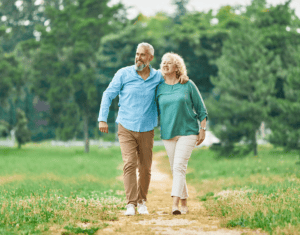
It’s never too early, or late, to take an active stance on aging. Happy and healthy aging is possible with the right habits. Simple changes — such as drinking more water, eating fresh foods, taking a daily walk and proper rest — are greatly underestimated. Little habits, whether good or bad, make a bigger impact on our physical bodies as the years add up.
Listen to your body.
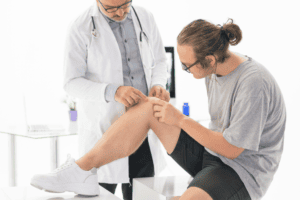
Actively paying attention to the body, especially its aches and pains, is an important habit for healthy aging. Regular checkups should become a part of your routine, as some conditions may not be obvious. Avoiding the doctor for fear of a dreaded diagnosis may worsen what could have been an easily treatable condition. Pay attention to your body, and make an appointment with a healthcare provider for persistent symptoms.
Exercise both body and brain.
Our minds also get fit when we move our bodies more. Exercise comes in many forms, and the mind needs to be used as much as our muscles. Learn a new skill or hobby, read, play games, volunteer, explore your community. Mentally stimulating activities have been proven to prevent cognitive impairments, such as Alzheimer’s disease,
Create a community.
Isolation is an often common problem for the older population, and its negative effects are immense. Staying in touch with friends and family, meeting new people, and creating a community are one the most important habits of active people. They avoid stagnation by creating a strong support system.
Live with purpose.
Living with purpose means understanding that the little everyday things in our lives matter. Everything has a reason and becomes medicine: food, exercise, laughter, relaxation. Highly active people take their time and make the most of their time.
Aging doesn’t have to get old. There are many ways to maintain a balanced active life, but it all starts with small steps.