



What’s the Difference Between Tennis Elbow and Golfer’s Elbow?
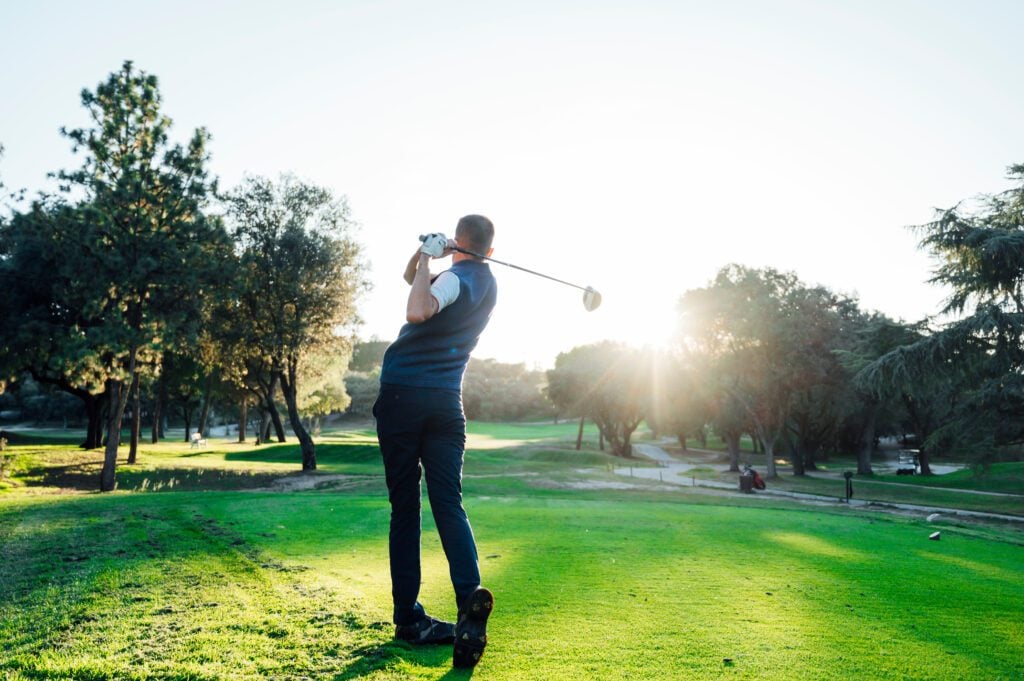
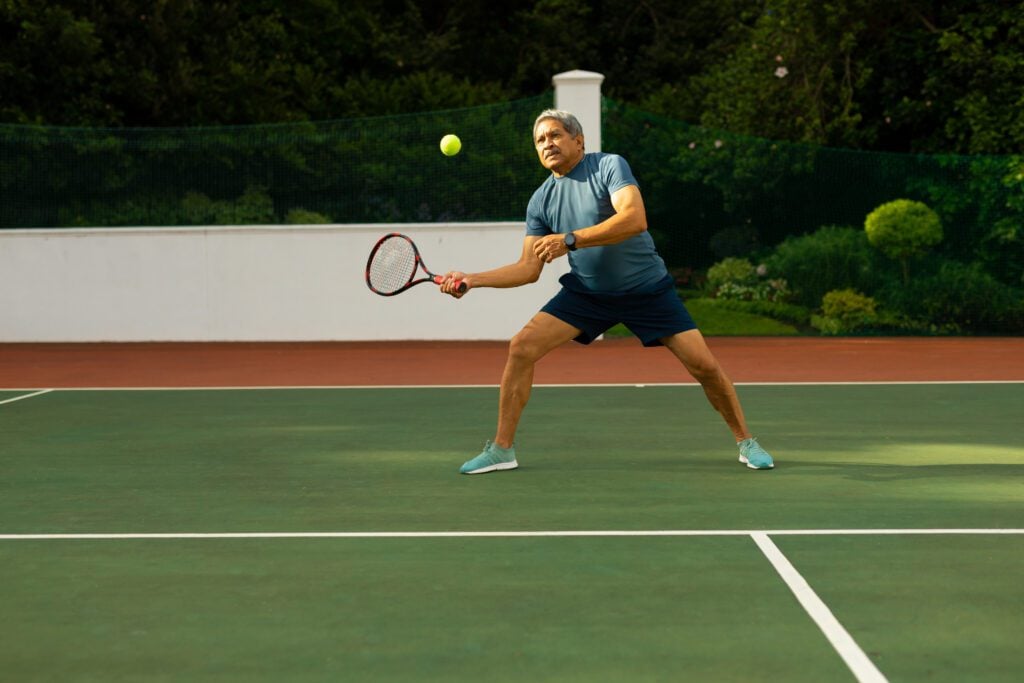
Both conditions are forms of tendinopathy caused by overuse, but the location is what sets them apart. Tennis elbow (lateral epicondylitis) affects the tendons on the outside of the elbow. These tendons connect the forearm muscles that extend your wrist and fingers. Repetitive gripping, swinging, or lifting strains them over time, leading to pain and inflammation on the outer elbow. Golfer’s elbow (medial epicondylitis) affects the tendons on the inside of the elbow. These tendons control wrist flexion and grip strength. It’s common not just in golfers but in anyone who repeatedly flexes the wrist or twists the forearm, including pitchers, rock climbers, and construction workers.You Don’t Have to Play Tennis or Golf to Get These Injuries
Despite the names, these conditions are extremely common in people who have never swung a racket or a club. In Little Rock and across Central Arkansas, we see these injuries in:- Elbow care for baseball players and softball players who throw repeatedly
- Pickleball players, whose forearm and wrist motion closely mimics tennis elbow mechanics
- Office workers who type or mouse for hours without ergonomic support
- Painters, plumbers, and carpenters whose work involves constant gripping and twisting
How to Tell Which One You Have
The simplest way to start narrowing it down is location. Press along the bony bump on the outside of your elbow. Tenderness there points to tennis elbow. Press along the inside bump. Tenderness there points to golfer’s elbow.
Other distinguishing signs:
- Tennis elbow: pain when extending the wrist, weak grip, aching when lifting a coffee cup or shaking hands
- Golfer’s elbow: pain when flexing the wrist, tenderness along the inner forearm, occasional tingling toward the ring and pinky fingers
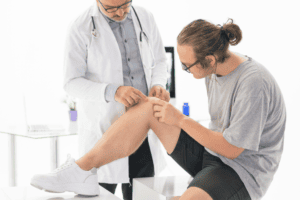
Both can cause significant weakness and interfere with everyday activity. And both benefit from a proper diagnosis from an elbow orthopedic specialist before starting any treatment plan.
Home Care for Tennis Elbow and Golfer’s Elbow
For mild to moderate cases, home care for tennis elbow and golfer’s elbow starts with the same foundation: rest the aggravating activity, apply ice for 15 to 20 minutes several times a day, and use over-the-counter anti-inflammatories to manage swelling.
A counterforce brace worn just below the elbow can reduce tendon strain during activity. Gentle stretching and progressive strengthening exercises, once the acute pain settles, can speed recovery significantly.
Most mild cases improve within a few weeks with consistent conservative care. If they don’t, that’s an important signal.
When to See an Elbow Specialist in Little Rock
See an orthopedic surgeon for elbow pain if:
- Pain has persisted for more than four to six weeks despite rest and home treatment
- Your grip strength has noticeably weakened
- Pain is waking you up at night or affecting your work
- You’ve had flare-ups repeatedly over multiple seasons
- You’re a competitive or active player who can’t afford a long recovery
An arm orthopedic surgeon can confirm your diagnosis with imaging, rule out other conditions like nerve entrapment or a partial ligament tear, and build a treatment plan that actually matches your injury.
Why Choose OrthoArkansas for Elbow Care in Little Rock?
At OrthoArkansas, our fellowship-trained elbow orthopedic specialists treat everything from early-stage tendinopathy to complex elbow reconstructions. We offer advanced imaging, in-house physical therapy, and both non-surgical and surgical options under one roof in Central Arkansas, so you’re never bouncing between providers or waiting on referrals.
Whether you’re a weekend golfer, a competitive pitcher, or just someone whose elbow has been nagging for months, our elbow care team in Little Rock is here to help you get back to what you love.
Your Elbow Shouldn’t Cost You This Season
Don’t let elbow pain sideline you through spring. Whether it’s tennis elbow, golfer’s elbow, or something you’re not sure about, the right answer starts with the right evaluation. Schedule an appointment with an orthopedic surgeon for elbow care at OrthoArkansas in Little Rock today.