




If you have started running more this summer and your shins are screaming at you by mile two, you are not imagining it. Shin splints are one of the most common summer running injuries, and they are also one of the most mismanaged. Most people either push through the pain and make things worse, or stop completely and never figure out what went wrong in the first place. This guide will help you understand what is actually happening and what to do about it.
What Are Shin Splints?
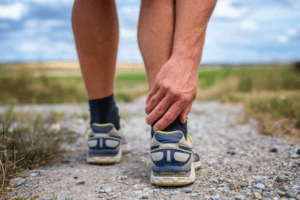
Shin splints is a general term for pain along the inner edge of the shinbone (tibia). Medically known as medial tibial stress syndrome, the condition develops when the muscles, tendons, and bone tissue around the tibia become overloaded from repetitive stress. The result is inflammation, tenderness, and a dull or sharp ache that typically worsens during or after a run.
They are especially common in runners who are new to the sport, returning after a break, or have recently increased their mileage or intensity faster than their body could adapt.
What Causes Shin Splints in Runners?
The root cause is almost always some combination of doing too much too soon and not giving the body adequate time to adapt. More specifically:
- Rapidly increasing running distance or frequency without a gradual build-up
- Running on hard surfaces like pavement or concrete, especially in worn-out shoes
- Flat feet or high arches that alter the way impact is distributed through the lower leg
- Weak hip, core, or ankle muscles that cause the lower leg to absorb more stress than it should
In Arkansas, where summer heat pushes many people indoors during winter and then back out again in May and June, this pattern of ramping up too quickly is a common trigger for shin splint flare-ups.
Shin Splints vs. a Stress Fracture: How to Tell the Difference
This is the most important question to answer, because a stress fracture looks a lot like shin splints but requires very different treatment. With shin splints, pain is spread along a broader area of the shinbone and typically eases when you stop running. A stress fracture tends to produce pinpoint tenderness at one specific spot, and the pain can persist even at rest.
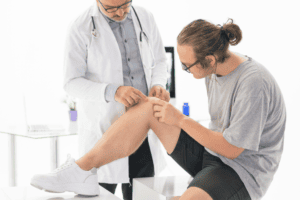
If pressing on one specific point of your shin causes sharp localized pain, or if symptoms are not improving with rest after one to two weeks, imaging is warranted. Our sports medicine team in Little Rock can evaluate you quickly and order an MRI or bone scan if needed to rule out a fracture.
How to Treat Shin Splints at Home
For mild cases, consistent shin splint relief can often be achieved with conservative care:
- Rest from high-impact activity for one to two weeks, substituting with low-impact exercise like swimming or cycling
- Ice the shin for 15 to 20 minutes several times a day for the first few days
- Stretches for shin splints including calf stretches, toe raises, and ankle circles to reduce tension in the lower leg
- Replace worn-out running shoes and consider an insole for arch support if flat feet are a contributing factor
- Gradually return to running using the 10 percent rule: increase weekly mileage by no more than 10 percent at a time
Most mild shin splints respond well within two to four weeks of this approach. Persistent or worsening symptoms need a professional evaluation.
When to See a Sports Medicine Specialist in Little Rock
Consider scheduling an appointment with our sports medicine team in Little Rock if:
- Pain has not improved meaningfully after two to three weeks of rest and home care
- Pain is severe, pinpoint, or present at rest (possible stress fracture)
- You have had shin splints repeatedly across multiple training cycles
- You are a competitive runner who cannot afford to take extended time off without a structured plan
Catching the underlying cause early, whether it is a biomechanical issue, a muscle imbalance, or a stress fracture starting to develop, makes a significant difference in how quickly you get back to running.
Treatment Options at OrthoArkansas
Our sports medicine specialists in Little Rock offer a comprehensive approach to shin splints treatment that goes beyond just rest. We evaluate your running mechanics, foot structure, and strength imbalances to identify why the injury developed in the first place. Treatment may include:
- Physical therapy focused on lower leg and hip strengthening
- Custom orthotics for structural foot issues
- Activity modification with a progressive return-to-running protocol
- Imaging to rule out stress fracture when clinically indicated
Why Choose OrthoArkansas for Sports Medicine in Little Rock?
OrthoArkansas offers fellowship-trained sports medicine specialists, in-house physical therapy, and advanced imaging all under one roof in Central Arkansas. We treat runners of all levels, from beginners building their first summer base to competitive athletes training for fall races. Our goal is always to get you back on the road stronger than before, with a plan that prevents the injury from coming back.
Don’t Let Shin Splints Ruin Your Summer
If your shins have been aching every run, it is worth getting a clear answer before the problem turns into something more serious. Schedule an appointment with our sports medicine team in Little Rock at OrthoArkansas today.
Book Your Sports Medicine Appointment at OrthoArkansas
Frequently Asked Questions
What is the difference between shin splints and a stress fracture?
Shin splints cause diffuse pain along a broader section of the shinbone that tends to ease with rest. A stress fracture produces sharp, pinpoint pain at one specific location and may hurt even when you are not active. Both require rest, but a stress fracture typically requires a longer recovery period and may need imaging to confirm. If your pain is localized and not improving, it is worth getting evaluated.
How long do shin splints take to heal?
Mild shin splints often improve within two to four weeks of rest and proper care. More stubborn cases, especially in runners who continued training through the pain, can take six to eight weeks or longer. Recovery time also depends on whether an underlying cause like flat feet or a muscle imbalance is being addressed alongside the rest.
Can I keep running with shin splints?
Running through shin splint pain is generally not recommended, as it can slow recovery and increase the risk of progressing to a stress fracture. Low-impact cross-training like swimming or cycling is a good alternative to maintain fitness while the shin heals. A return-to-running plan should be gradual and structured.
What stretches help with shin splints?
Calf stretches, seated toe raises, ankle circles, and foam rolling the calf and shin are commonly used to reduce tension in the lower leg. Stretching the anterior tibialis muscle by kneeling and gently pointing the toes can also provide relief. Your OrthoArkansas care team can demonstrate the specific stretches most appropriate for your situation.
What causes shin splints in runners?
The most common cause is increasing training load faster than the body can adapt. Other contributing factors include running on hard surfaces, worn footwear, flat feet or high arches, and weakness in the hips, core, or ankles that forces the lower leg to absorb excessive impact. Addressing these factors is key to preventing recurrence.
Do shin splints go away on their own?
In mild cases, shin splints may resolve with rest and reduced activity. However, without addressing the underlying causes such as training errors, footwear problems, or biomechanical issues, the injury is likely to return when training resumes. Recurring shin splints are often a sign that something in the training approach or body mechanics needs to be corrected.
Should I see a doctor for shin splints?
Most mild shin splints can be managed at home with rest and conservative care. You should see a sports medicine specialist if pain is severe or pinpoint, if symptoms persist beyond two to three weeks of rest, if you have had repeated episodes, or if you are a competitive athlete who needs a structured return-to-training plan. OrthoArkansas has sports medicine specialists in Little Rock ready to help.
How do I prevent shin splints when increasing my running mileage?
The most effective prevention strategy is gradual progression: increase your weekly mileage by no more than 10 percent per week. Incorporate rest days, replace running shoes every 300 to 500 miles, run on softer surfaces when possible, and build hip and ankle strength through cross-training. If you have had shin splints before, an analysis at OrthoArkansas in Little Rock can identify specific mechanics to correct.