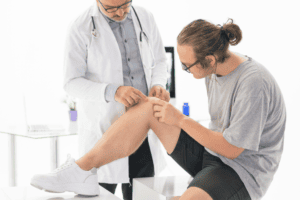





Little things add up over time, especially when it comes to health and aging. Small aches and pains can lead to chronic conditions when left untreated. While it’s easy to dismiss those minor health concerns as an inevitable aspect of aging, it’s important to know that pain and discomfort don’t have to be a constant companion.
Many individuals may avoid seeking medical care due to uncertainties about what to expect during the process. By addressing discomfort or stiffness early, seniors can significantly improve their joint health, reduce the risk of serious complications and enjoy a more active life.
Here are 5 important things to know about total joint health to help navigate your journey towards better joint health and make informed decisions.
Maintaining a healthy weight can reduce the risk of joint problems. Excess weight puts added pressure on joints, especially weight-bearing joints like hips and knees. Seniors should aim to stay within a healthy weight range to reduce the risk of joint problems and arthritis.
Joint pain and stiffness are not always a normal part of aging. While joint pain can increase with age, persistent pain or stiffness could be a sign of inflammation or arthritis and should be checked by a doctor.
Non-surgical treatments may provide relief for joint problems. Physical therapy, pain medication, and joint injections can all be effective in reducing pain and managing joint problems. Seniors can work with an orthopedic specialist to develop a treatment plan that meets their needs.
Joint replacement surgeries can be highly effective in improving mobility and reducing pain. Total hip and knee replacements are common procedures that can significantly improve quality of life for seniors with severe joint problems.
Rehabilitation and exercise are essential after joint replacement surgery. Physical therapy and targeted exercises can help improve range of motion, increase strength, and aid in the healing process. Seniors should follow their rehabilitation plan closely after a joint replacement surgery to optimize their recovery.
Prevention and early intervention are key in maintaining good joint health. Seniors can schedule an appointment to consult with our orthopedic experts about steps they can take to reduce risks and manage their joint health effectively.