



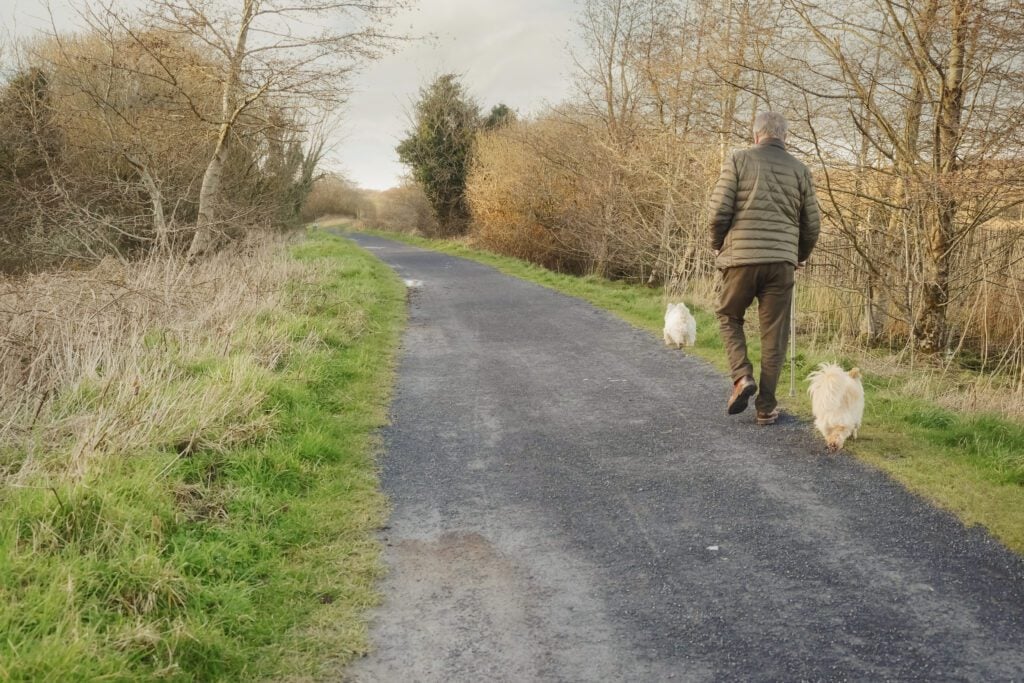
It’s a startling sensation: you’re walking through the grocery store or stepping off a curb when, suddenly, your leg gives way. That feeling of “buckling” or “giving out” is more than just a momentary stumble; in the orthopedic world, we refer to this as knee instability.
While it might feel like a simple muscle weakness, frequent buckling is often a signal from your body that the internal structures of your knee need professional attention. Understanding why this happens is the first step toward finding a lasting joint pain treatment.
Common Causes of Knee Instability
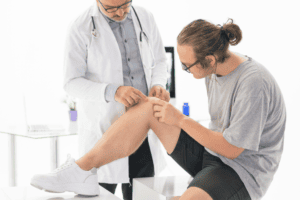
When a patient visits a knee pain specialist in Little Rock, the first goal is to determine if the instability is caused by structural damage or degenerative wear.
Ligament Injuries
The most common culprits for a “giving out” sensation are the ligaments—the tough bands of tissue that connect your bones. An old or new tear in the Anterior Cruciate Ligament (ACL) or Medial Collateral Ligament (MCL) can leave the joint without its primary stabilizers. When these are compromised, the knee can shift out of place during normal movement.
Meniscus Tears
The meniscus acts as a shock-absorbing cushion between your thigh bone and shin bone. If a piece of the meniscus is torn, it can occasionally get caught in the hinge of the knee joint. This “locking” or catching often results in a sudden loss of support, causing the knee to buckle.
Advanced Arthritis
For many, the issue is more gradual. An arthritis specialist can explain how the thinning of cartilage causes the joint to become misaligned. As the “bone-on-bone” contact increases, the surrounding muscles may inhibit or “shut off” to protect the joint from pain, leading to a sudden feeling of weakness.
Finding the Right Treatment Path
The good news is that “buckling” does not always mean you are headed for the operating room. At OrthoArkansas, we prioritize the most conservative path to recovery whenever possible.
Non-Surgical Treatment for Knee Pain
Many patients find success through non surgical treatment for knee pain. This can include:
- Viscosupplementation or Cortisone Injections: To reduce inflammation and provide lubrication.
- Bracing: Providing external stability while ligaments heal or muscles strengthen.
- Targeted Medication: To manage the underlying inflammation caused by arthritis.
The Power of Physical Therapy
One of the most effective ways to stop knee buckling is through specialized physical therapy for joint pain. Often, the knee gives out because the quadriceps and hip stabilizers aren’t firing correctly. A physical therapist can create a custom program to “retrain” these muscles to support the joint, providing a natural brace made of your own muscle tissue.
When to Consider a Specialist
If the buckling is accompanied by swelling, persistent pain, or if you have had multiple falls, it is time to consult an orthopedic knee expert or a hip specialist (as hip misalignment often affects the knee).
In cases where the joint has sustained significant damage, a joint replacement may be the best option to return to an active, pain-free life. Modern advancements in joint replacement allow for faster recovery times and much more natural movement than in years past.
Don’t wait for a fall to take action. Schedule an appointment with a knee pain specialist in Little Rock at OrthoArkansas today.
If your knee has buckled and resulted in a sudden injury or swelling, visit one of our Orthopedic Urgent Care walk-in clinics in Little Rock, North Little Rock, or Conway for immediate expert care.